Behind the Coating: Why Material Science Drives Textrov™ Performance
Technical textile is a silent giant in industrial operations- one that is heat resistant, chemically protective, and its durability in high-stress conditions is immeasurable. Among the many engineered textile brands available, Textrov™ by Supertech Fabrics stands out for its unique approach: blending advanced material science with precision coating technology.
This article takes you behind the layers—literally—to explain how Textrov™’s performance is powered by science and why industries are increasingly turning to it for solutions in thermally and chemically challenging environments.
The Foundation: Engineered Substrates
Textrov™ isn't just a coated fabric—it's an engineered system built from the yarn up. The brand uses a wide range of base substrates, selected specifically to meet the needs of various industries. These include:
- Natural fibers
- Synthetic polymers
- Glass and aramid fibers
- Silica and ceramic substrates
- Stainless steel yarns (via hybrid composite brands)
Fiber of each type is selected on the basis of performance parameters like tensile property, flame resistance, inertness, and thermal stability. The outcome is a collection of high-performance textiles that are the ideal surface on which state-of-the-art coatings can be used.
The Coating Science: From Function to Formulation
Where Textrov™ truly shines is in its versatile coating technology. The fabrics are coated with a variety of organic, inorganic, and elastomeric chemistries, which are applied using:
- Solvent-based formulations
- Water-based coatings
- Hot-melt laminations
These coatings are far more than surface treatments. They’re engineered to impart functional performance traits, including:
- Flame resistance (FR coatings)
- Chemical resistance (acid/alkali shielding)
- UV resistance
- Electrical insulation (dielectric coatings)
- Abrasion and puncture protection
- Anti-fungal and hygienic finishes
Whether it’s a cleanroom ceiling in a pharmaceutical plant or an acoustic barrier inside a rail coach, Textrov™ delivers tailored performance based on coating chemistry and substrate compatibility.
The Role of Lamination & Composites
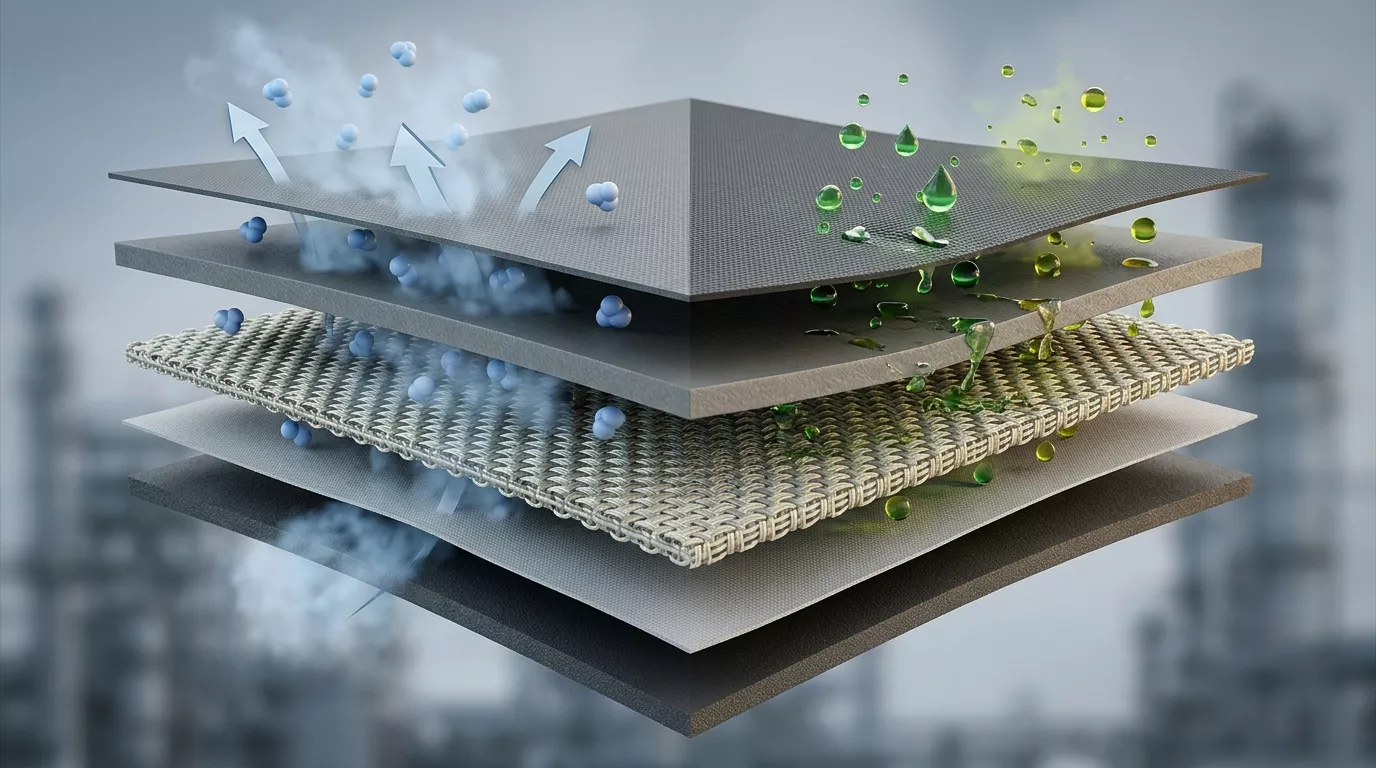
Beyond basic coatings, Textrov™ excels in composite fabric construction. Many of the fabrics include multi-layer laminates, such as:
- Film layers (PTFE, PVC, PU)
- Foil barriers (Aluminum, reflective)
- Textile membranes (non-wovens, mesh scrims)
Such laminations may be bonded with high-adhesion adhesives or hot-welded, with the dimensional stability necessary to maintain mechanical integrity in high-load and high-heat areas.
For example:
- In fire curtains, you may see a flame-retardant glass base with silicone or PTFE coatings plus an aluminum barrier.
- In insulation jackets, you might find aerogel-treated fabrics laminated with aluminized or coated composite shields.
Textrov™ offers complete control of lamination thickness, breathability, and reinforcement layering, making it ideal for applications in aerospace, defense, and public infrastructure.
Performance Validated: Testing & Compliance
Every Textrov™ solution is tested against rigorous international standards, such as:
- EN 45545 (Railway fire safety)
- EN 13501-1 (Building fire performance)
- NFPA 701 / ASTM E84 (Flame resistance)
- ISO 6940/1 (Thermal behavior)
- RoHS, REACH, FDA, where relevant
These certifications aren’t add-ons—they’re a critical part of why Textrov™ fabrics are used in high-trust environments like rail interiors, hospital ducting, industrial safety curtains, and heat-intensive manufacturing zones.
Modular Sub-Brands: Designed for Precision
Textrov™ is not a single product line—it’s a modular family of engineered fabrics, including specialized sub-brands that each serve unique industrial niches:
PTFE-coated fabrics designed for chemical inertness, non-stick behavior, and high-temperature sealing applications.
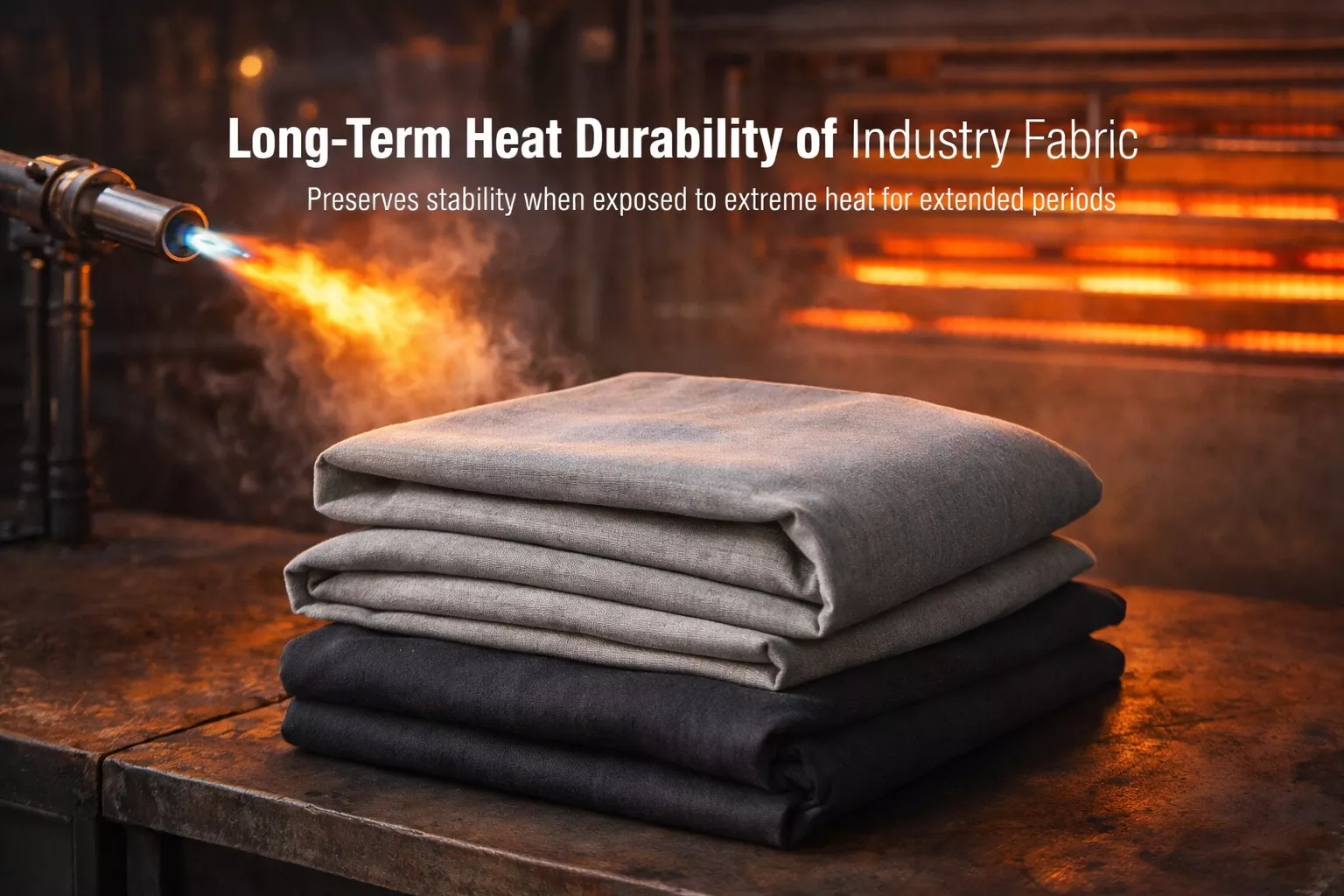
Grey substrate loom-finished fabrics with built-in heat resistance (up to 1000°C), ideal for welding zones, spark shielding, and thermal wear.
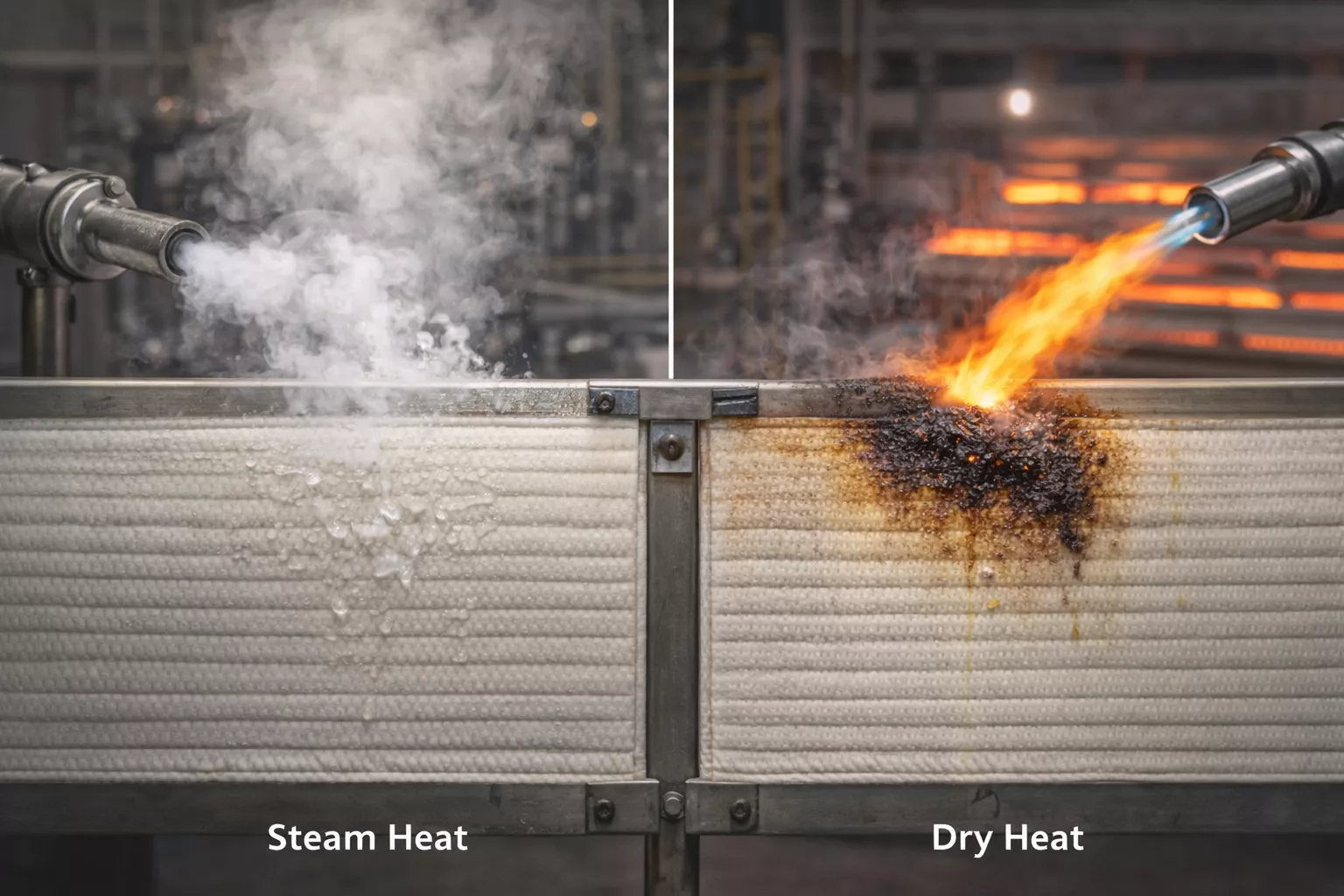
Silicone-coated fabrics used in fire curtain systems, insulation jackets, and smoke containment for power and infrastructure sectors.
PVC/PVA coated textiles used in waterproof membranes, field tents, roll-up doors, and packaging belts.
Coated and laminated architectural textiles for HVAC ducts, fire barriers, roofing, vapor control, and tension facades.
Each sub-brand inherits the Textrov™ legacy of coating accuracy, application engineering, and field-tested durability.
Why Material Science Matters
There is no place for failure in tough situations. A delaminating coating, a flammable fabric, or toxin toxin-leaking barrier means a loss of time, wastage, or even death.
That’s why Textrov™ doesn’t cut corners. Its foundation in material science ensures that each technical textile is:
- Purpose-built
- Functionally tested
- Sustainably manufactured
- Capable of customization
From selecting a glass-aramid blend for thermal wear resistance to specifying a dual-layer PTFE coating for acid exposure, Textrov™ gives engineers the power to design for safety and performance.
Conclusion:
Textrov™ is not merely a textile—it's a high-performance material system. It combines substrate integrity, coating chemistry, and composite engineering into one seamless offering. That’s what makes it smarter, stronger, and more dependable than ordinary industrial fabrics.
Behind every layer is science. Behind every solution is performance. Behind every innovation is Textrov™.