The Role of Technical Textiles in Modern Industry
The modern industrial world, which is moving very fast, is not only concerned with automation or smart technologies, but it is also concerned with the materials that make systems work Healthier, safer, and lower impact. Technical textiles have become critical to the performance of many industries like cement, chemicals, energy, and pharmaceuticals, to name a few.
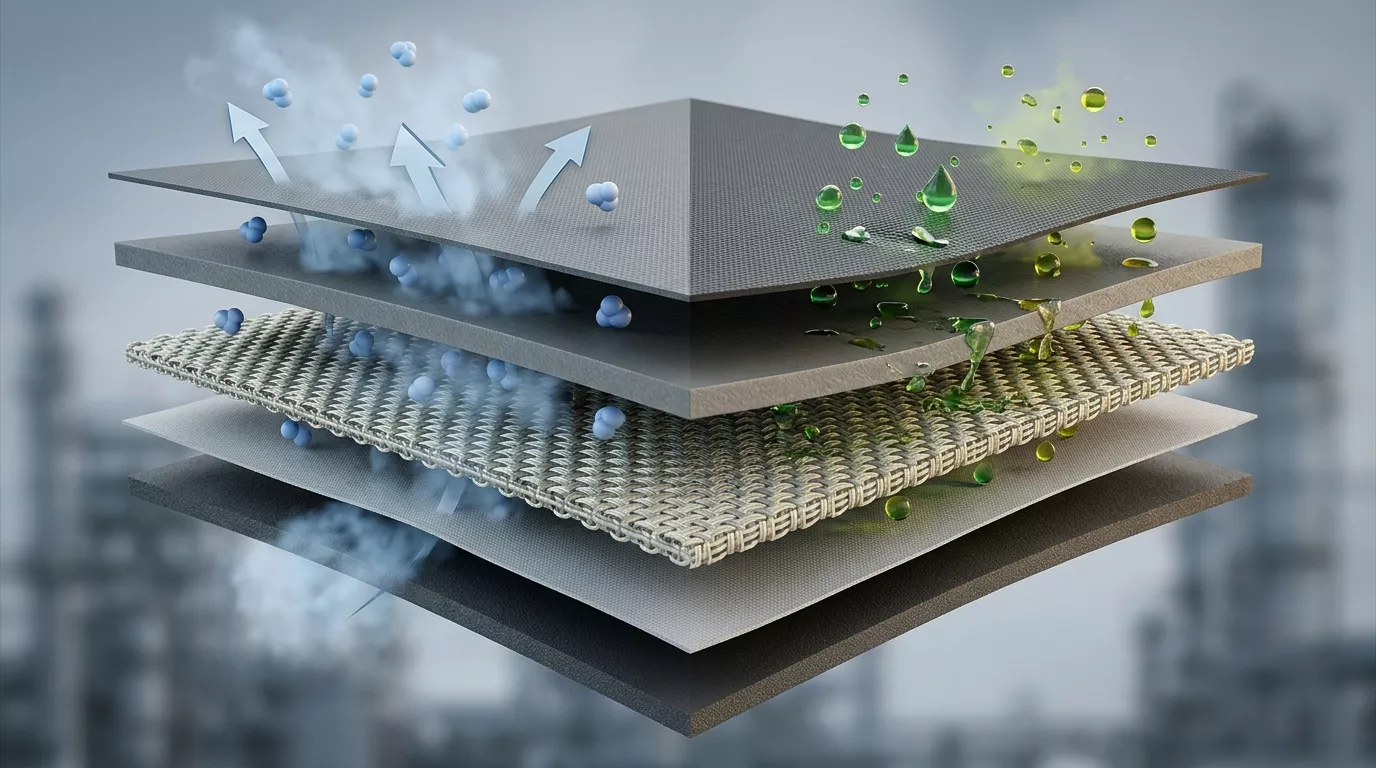
In comparison with the traditional materials, which are used to make clothes or furnishings, technical textiles are manufactured materials. They are created with certain functionality in mind: abrasion resistance, heat tolerance, air permeability, or chemical inertness, and are intended to be used in a real industry with pressure.
Supertech Fabrics Pvt. Ltd., a multi-national, performance-oriented producer of fluidization fabrics and engineered textile solutions in bulk material handling and high-demand applications, is one of the companies that are leading this revolution.
Technical textiles - how is the modern industry powered, and why are they all the more important nowadays?
What Are Technical Textiles?
Technical textile is any fabric made not because of the look but because of the use and performance. They are used to fulfill diverse purposes in the industries and are normally applied in places where conventional materials are not either meeting demands or do not available.
Key characteristics include:
- High strength and durability
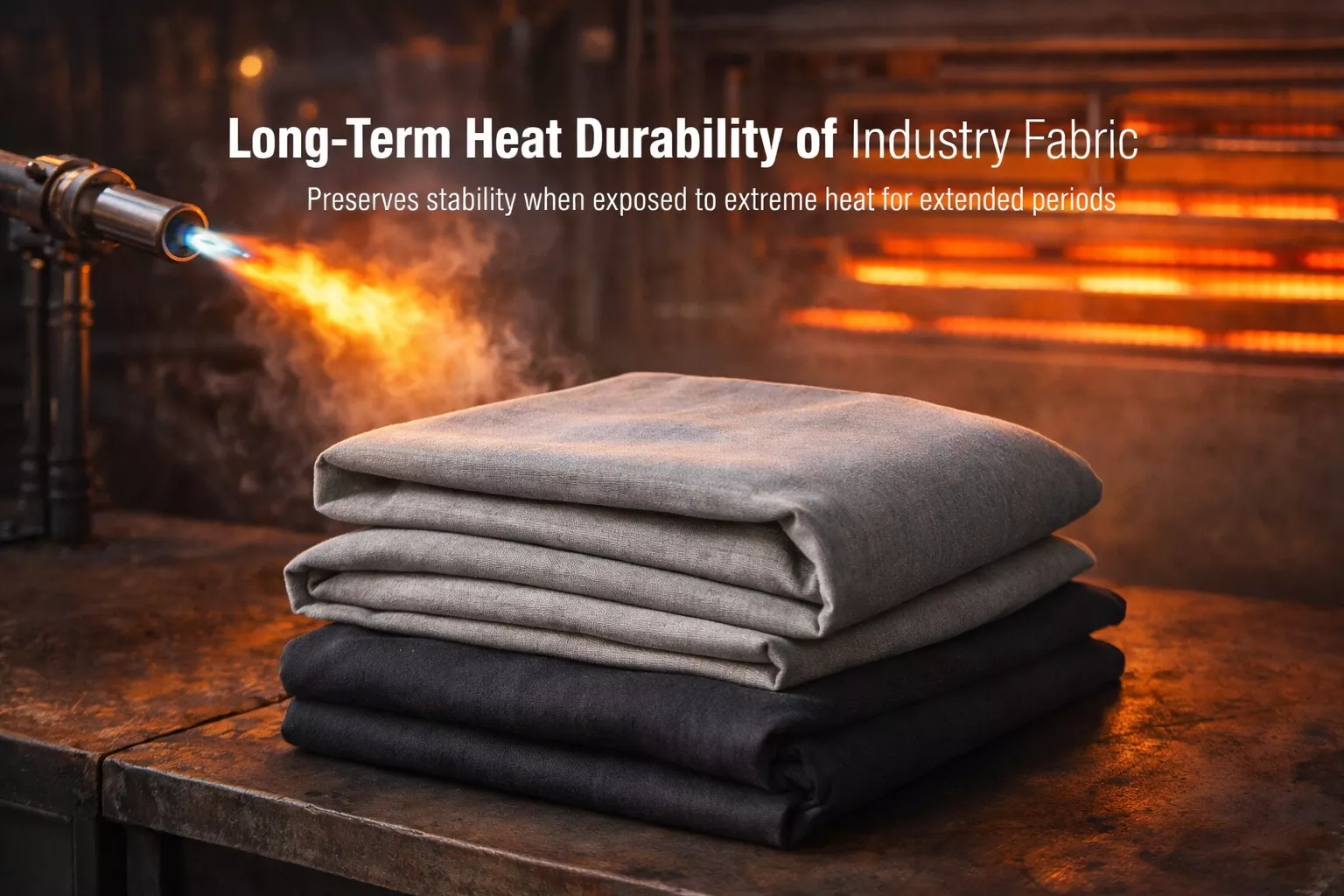
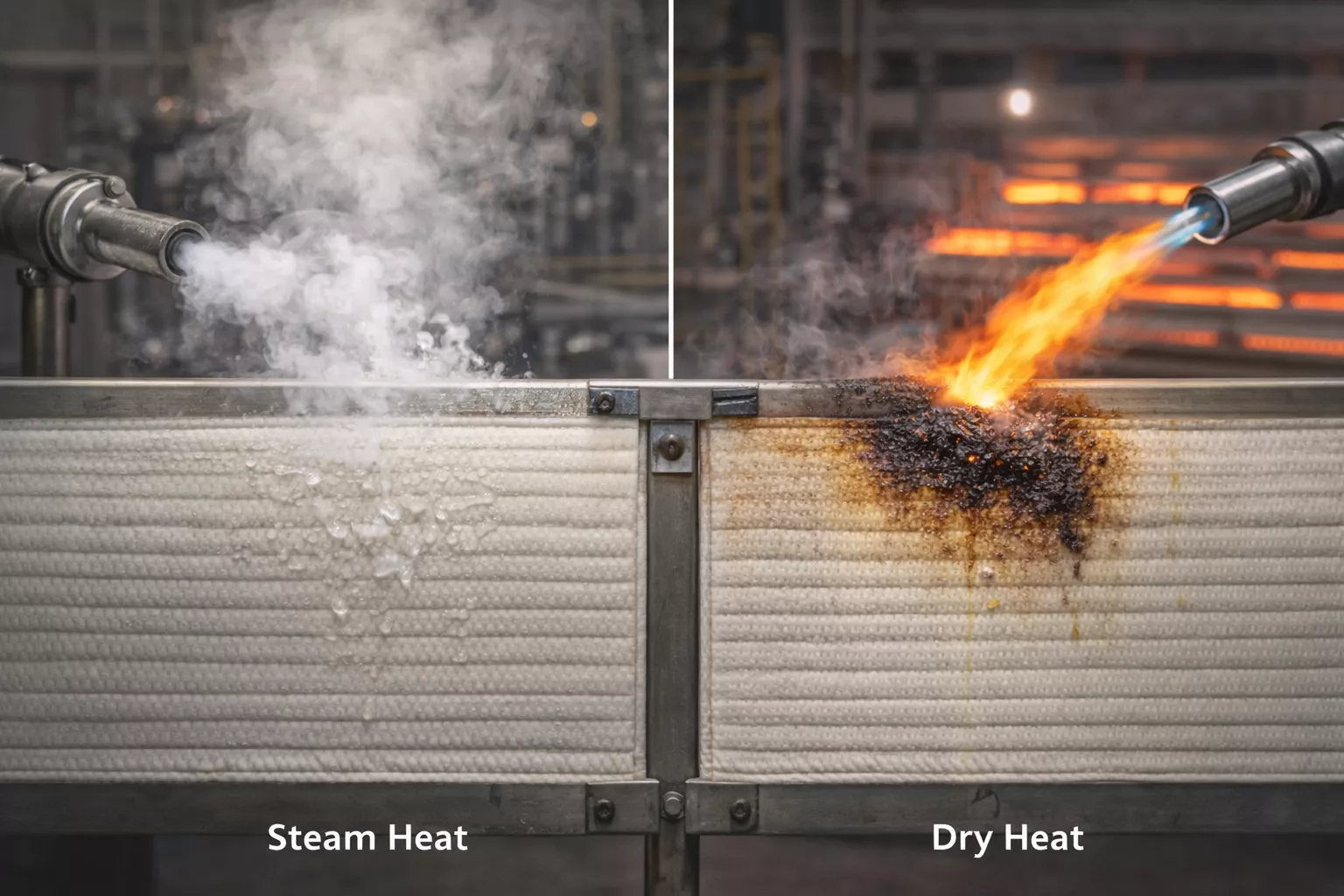
- Thermal and chemical resistance
- Air permeability or barrier functions
- Abrasion protection
- Dimensional stability
- Custom coatings or treatments
Technical textiles are applied in all sorts of protective items as well as conveyor belts and filtration systems, and have become an important component of industrial infrastructure.
Applications Across Industries
The versatility of technical textiles allows them to solve different challenges in diverse industries. For example:
Cement and Lime Plants
Fluidization fabrics like AIRSLIP™ help move fine powders such as cement, fly ash, and gypsum through air slides and silos. These fabrics ensure even discharge and reduce material blockages, improving process flow and reducing downtime.
Power Plants
In high-temperature applications such as coal-fired plants and waste-to-energy plants, textiles that satisfy thermal stability requirements as well as abrasion resistance are used. They assist in the effective handling of material fly ash, and other remains.
Chemical and Fertilizer Industries
Technical fabrics provide very high resistance against corrosive materials, which ensures long service life and low maintenance costs of discharge systems in chemical plants.
Pharmaceutical & Food Processing
In these sectors, the technical fabrics are required to have accurate levels of filtration and cleaning, particularly in an area where contamination orowing of residue may affect the product's integrity.
Supertech Fabrics: Built for Performance
At the heart of technical textile innovation is Supertech Fabrics, which has redefined what industrial fabrics can do. Backed by over 40 years of group legacy in material science, Supertech Fabrics combines legacy expertise with modern engineering to produce specialty performance fabrics tailored to real-world industrial needs.
Their flagship product line, AIRSLIP™, is a family of fluidization fabrics used to optimize the flow of dry bulk materials through pneumatic systems such as silos, hoppers, and air slides.
These fabrics are not generic. They are customized down to:
- The type of substrate (polyester, fiberglass, aramid)
- The coating chemistry (PU, Acrylic, Fluoro)
- The thickness, permeability, and temperature tolerance
With solutions that support up to 450°C of heat and resist high-pressure abrasion, Supertech Fabrics delivers more than just textiles—they deliver process reliability.
Why Technical Textiles Matter Now More Than Ever
There have never been greater issues in the modern industry: the issue of regulatory attention, the cost of raw materials, energy distribution, and non-stop work are all unmatched.
Here’s how technical textiles help tackle them:
✅ Efficiency & Energy Savings
Fluidization fabrics with optimized air permeability reduce blower load, leading to lower energy consumption.
✅ Less Downtime, More Productivity
High abrasion and temperature resistance reduce wear, maintenance intervals, and unexpected shutdowns.
✅ Safer Working Conditions
Self-cleaning and anti-caking surfaces reduce the need for silo access, lowering worker risk.
✅ Sustainability
Longer lifecycle fabrics reduce waste and operating resources, contributing to more sustainable production systems.
A Closer Look at AIRSLIP™
Supertech’s AIRSLIP™ fabric range is engineered specifically for bulk material flow. It solves one of the most common and costly problems in heavy industries: irregular or obstructed material discharge.
Core Advantages:
- Even Air Permeability: Ensures uniform flow, eliminates clumping
- High Strength: Withstands bulk loads and mechanical strain
- Thermal Resilience: Functions in operating temperatures up to 450°C
- Custom Thickness Options: Ranges from 3 mm to 8 mm
- Application-Specific Coatings: For abrasion, chemical resistance, or low surface energy
From cement silos to chemical basins, AIRSLIP™ fabrics are trusted for their reliability, customizability, and long operational life.
Certifications and Quality Assurance
Supertech Fabrics manufactures under strict quality control with the following global standards:
- ISO 9001:2015 (Quality Management)
- ISO 14001:2015 (Environmental Management)
- ISO 45001:2018 (Occupational Health & Safety)
Each batch undergoes extensive testing for:
- Tensile strength
- Air permeability
- Fabric thickness
- Resistance to abrasion and high temperatures
This in-house testing ensures that every fabric roll delivered to clients is field-ready and application-matched.
The Future of Technical Textiles in Industry
As industries continue to demand smarter, more resilient materials, technical textiles are set to play an even more vital role.
Trends include:
- Integration with automation systems
- Sensor-compatible smart textiles
- Lightweight composites for faster installation
- Advanced coatings with nanotechnology for extreme environments
The enterprises, such as Supertech Fabrics, are already being developed to manufacture the third generation of products to fulfill the challenges that will be there in industries tomorrow.
Conclusion
No longer making up the support component, technical textiles have become the strategic industrial performance component. It keeps cement moving down a silo or trimming the power of a blower in a chemical plant, the correct fabric can directly affect cost, safety and productivity.
Under in-house engineering, global standard quality, and with a proper understanding of the industrial systems, Supertech Fabrics is at the helm of this transformation,’3 enabling industries to operate much faster, cleaner, and in a smarter fashion.