How Textrov™ Performs in Extreme Heat, Flame, and Food-Safe Environments
Traditional fabrics can't stand the heat in high-risk, high-performance industrial settings like thermal power plants, railways, chemical zones, and food processing units. That’s why engineers, OEMs, and infrastructure designers turn to Textrov™ by Supertech Fabrics, a master-brand built on precision textile engineering. Textrov™ delivers high-temperature endurance, flame retardancy, chemical stability, and even food-safe reliability, all in one integrated solution.
Let’s explore how Textrov™ excels in three of the toughest application segments: extreme heat, flame-prone zones, and hygienic food-grade environments.
Extreme Heat Endurance: Holding Strong When Temperatures Soar
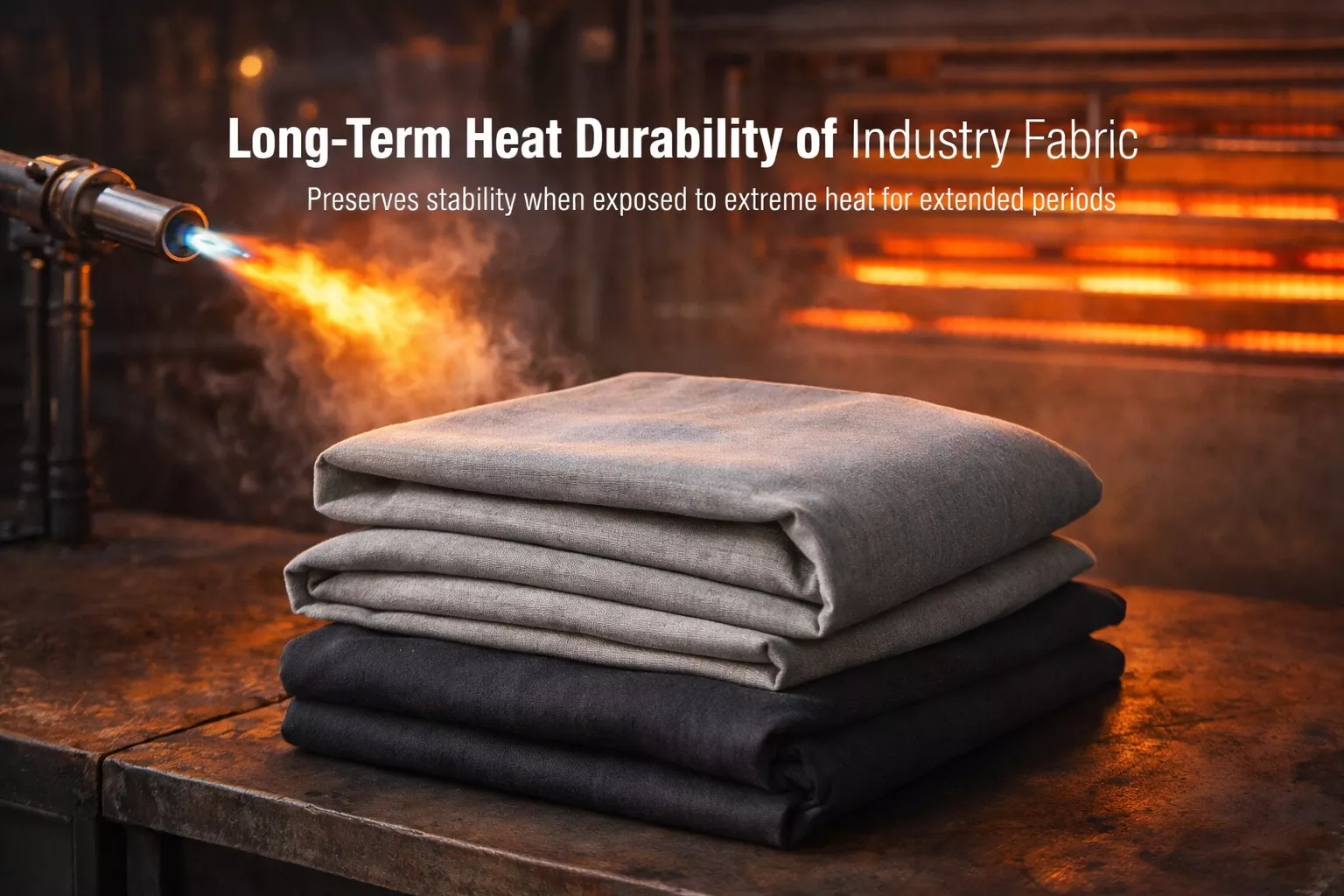
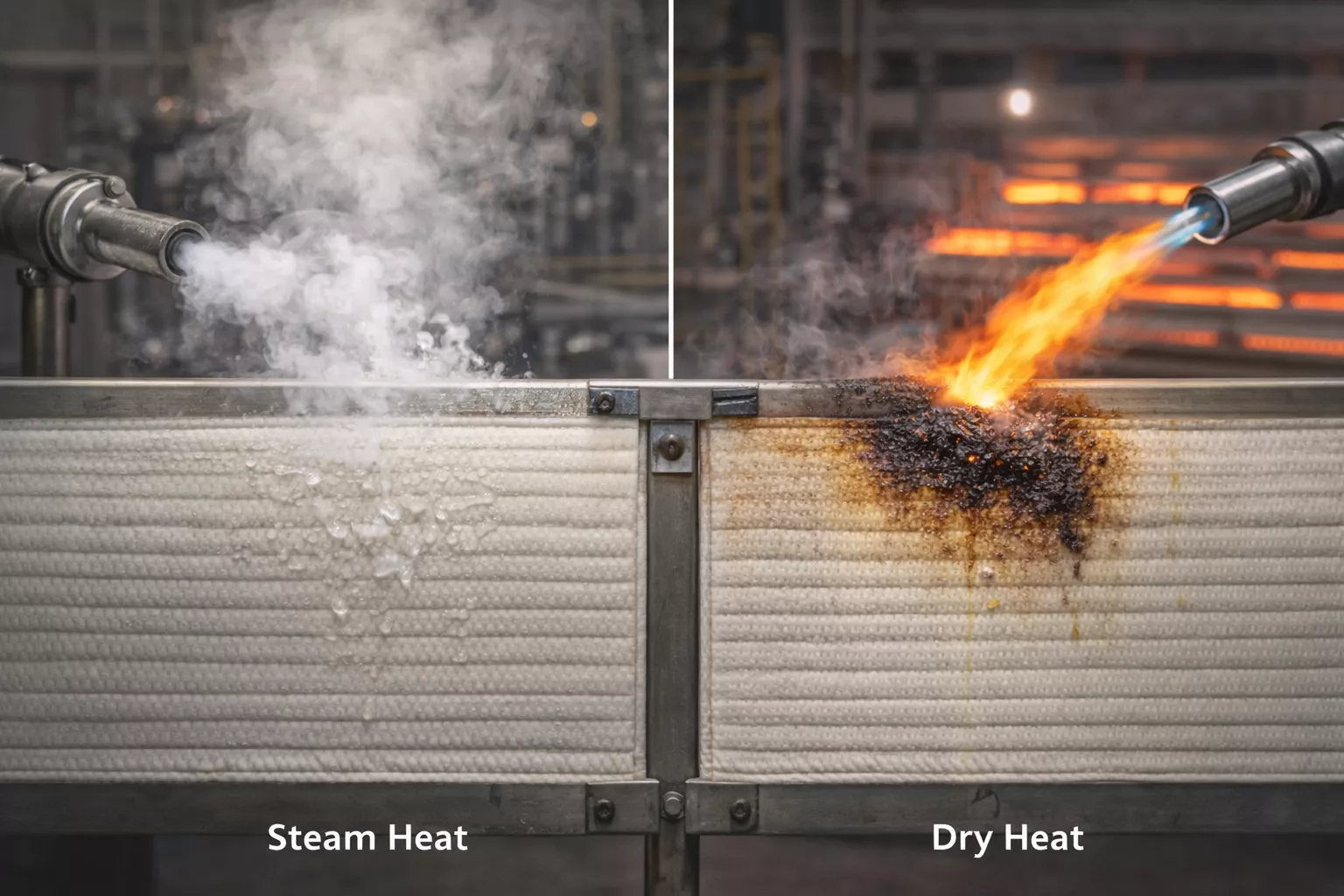
Depending upon fiber cement structure and coating system, TextrovTM fabrics are designed to withstand operating temperatures up to 150°C to over 750°C. Short-term exposures or dedicated constructions can often handle temperatures hotter than 1000 °C using certain fabric lines - an excellent candidate to use in radiant heat shielding and thermal barriers.
🔹 Base Materials Used:
- Aramid blends for high tensile strength and flame stability
- Glass and ceramic fiber substrates for thermal endurance and dimensional consistency
- Stainless steel yarns or metallic scrims for reflective and conductive insulation
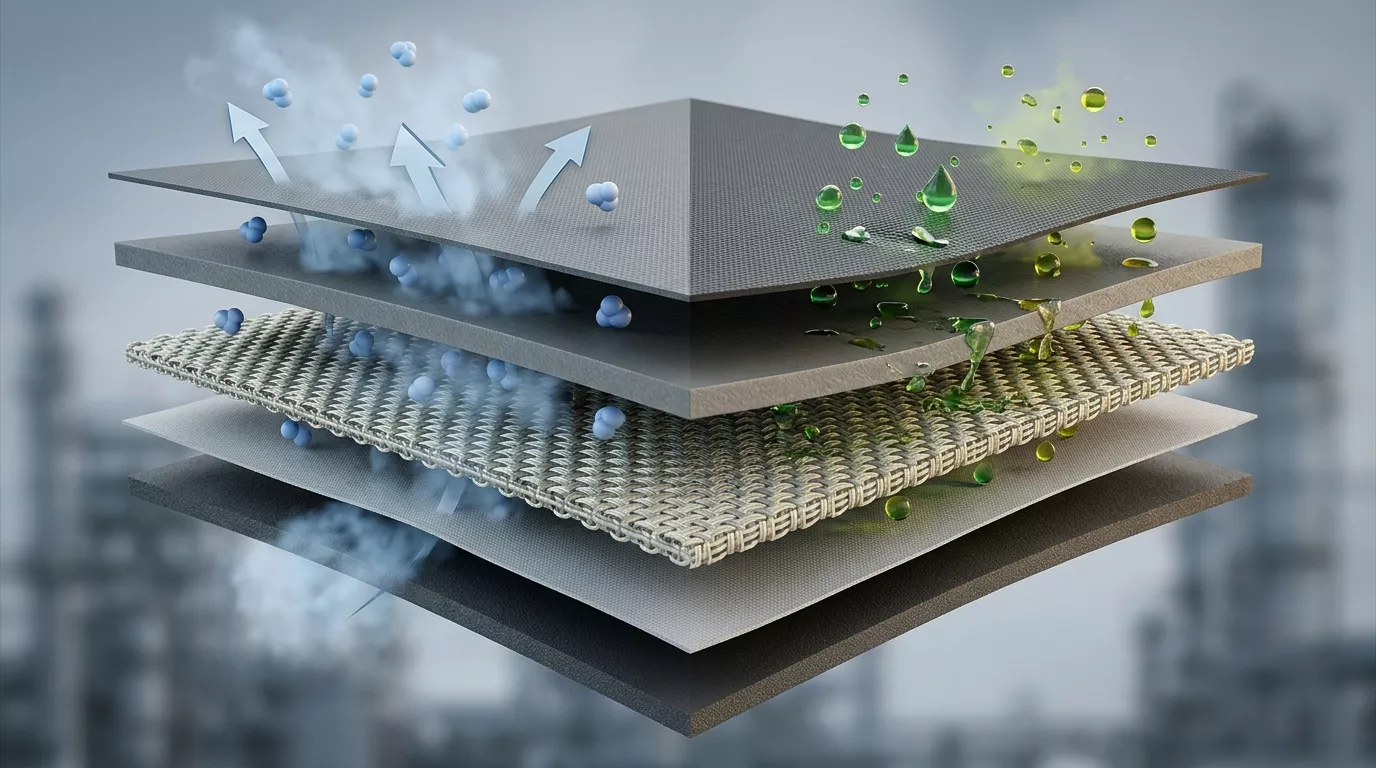
The resultant high-performance substrates are then coated with such materials as PTFE, PU, silicone, or a dedicated flame-resistant coating, which further enhances fire and chemical resistance, forming a composite fabric that can endure severe industrial temperatures.
🔸 Where It's Used:
- Heat shields in energy plants
- Boiler and duct insulation wraps
- Engine bay lining in heavy mobility
- Removable insulation jackets in refineries
Textrov’s multi-layer structure helps prevent thermal conduction, keeping both components and personnel safe even in the harshest heat-intensive environments.
Flame Resistance & Smoke Safety: Certified Barrier Protection
Active heat tolerance, Textrov 1996, exceeded passive heat tolerance: it has the power to resist burning, as well as to deal with smoke and toxicity in case of flooding. In the aerospace and railway industries, the industry of public transportation, and tunnel construction and maintenance areas, which require compliance with EN 45545 and FMVSS 302 standards, NFPA 701 and ASTM E84 standards, Textrov™ fabrics offer a reliable means of protection.
🔹 Flame-Performance Features:
- Non-combustible base fibers (e.g., fiberglass, aramid, ceramic)
- Zero melt-drip behavior, even under direct flame
- Low-smoke-emission coatings that reduce toxic gas output
- High flame spread resistance, ensuring fire doesn't escalate rapidly
Whether it’s flame-retardant duct liners in metros, thermal panels in trains and planes, or fire curtains in evacuation routes, Textrov™ plays a frontline role in life-critical systems.
Food-Safe and Cleanroom Compatibility: For the Most Sensitive Environments
Food and pharma industries face a double challenge: maintaining hygiene while also managing heat and sealing processes. Textrov™ resolves both through cleanroom-compatible, food-grade, and non-stick PTFE-coated technical textiles.
🔹 Why PTFE Matters:
- Chemically passive and oils and greases proof, food acids proof
- There is a smooth and non-porous surface that does not allow the presence of any microbes to accumulate
- The availability of anti-fungal and anti-soil as well as optional antimicrobial coatings
- Washable and reusable to support low-maintenance tasks easily
Textrov™ PTFE fabrics are trusted in:
- Food-packaging conveyor belts
- Sealing jaw wraps in high-heat packaging lines
- Gasket layers in hygiene-sensitive equipment
- Thermal covers in food ovens or pharma autoclaves
These fabrics make sure that the regulations of the world food safety are followed, help to lessen the cleaning downtime, and make the lines more efficient.
Composite Construction: Tailored for Performance, Built for Precision
One of the biggest advantages of Textrov™ is its modular fabric architecture, which can be customized based on the use case. Engineers can select from:
- Woven or non-woven base layers (natural, synthetic, or metallic)
- Laminated or coated structures using PTFE, PU, Silicone, or Acrylic
- Additives like UV resistance, anti-wicking, anti-soil, or hydrophobicity
- Mono/multi-filament yarns for added mechanical performance
These materials can be fabricated as:
- Flat panels, rolls, or custom-cut jackets
- Insulation wraps, as well as fire curtains, or expansion joint covers
- Multilayered electrical enclosures or turbine housing shields
Whether it's a power utility OEM, a smart infrastructure integrator, or a mobility systems provider, Textrov™ offers the right mix of strength, flexibility, and compliance.
Tested, Certified & Globally Recognized
Every fabric that carries the Textrov™ name is backed by extensive testing and documentation:
- Flame spread and ignition
- Tear, puncture, and tensile strength
- Thermal conductivity and reflectivity
- Smoke density and toxicity output
- Chemical resistance in acidic, alkaline, and saline environments
Supertech Fabrics ensures Textrov™ meets or exceeds certifications for:
- EN 45545 / EN 13501 – Railway and building flame/smoke safety
- FMVSS 302 – Automotive flame retardancy
- NFPA 701 / ASTM E84 – Fabric fire safety in North America
- ISO 6940 / 6941 – Flame behavior in construction applications
This makes Textrov™ a trusted choice for specifiers, OEMs, and EPC contractors looking for guaranteed compliance across multiple international markets.
Real-World Impact: Where Textrov™ Makes a Difference
- Steel and metal foundries use Textrov™ to line furnaces and shield equipment from molten splash.
- Metro and tunnel operators rely on it for smoke barriers and fire containment panels.
- Cleanroom managers appreciate its washable, food-safe PTFE fabric in sensitive production zones.
- Construction giants rely on it as an HVAC duct lining and thermal underlays for high-rise facades.
Whatever the task: heat, fire, chemicals, or cleanliness, Textrov 18418 18856 is engineered, tested, and trusted to perform.
Conclusion: A Fabric Built for Tomorrow’s Risks
When you need a single solution for multiple industrial hazards—extreme heat, fire, smoke, chemical exposure, or hygienic processing—Textrov™ is the go-to textile platform.
It offers:
- Proven temperature resistance
- Flame and smoke protection
- Cleanroom compatibility
- Application-specific engineering and adaptability
In short, Textrov™ empowers industries to build safer, cleaner, and more efficient operations, one engineered fabric at a time.